
“We’re not stopping till everyone can connect” — East Carroll’s fight for better internet continues
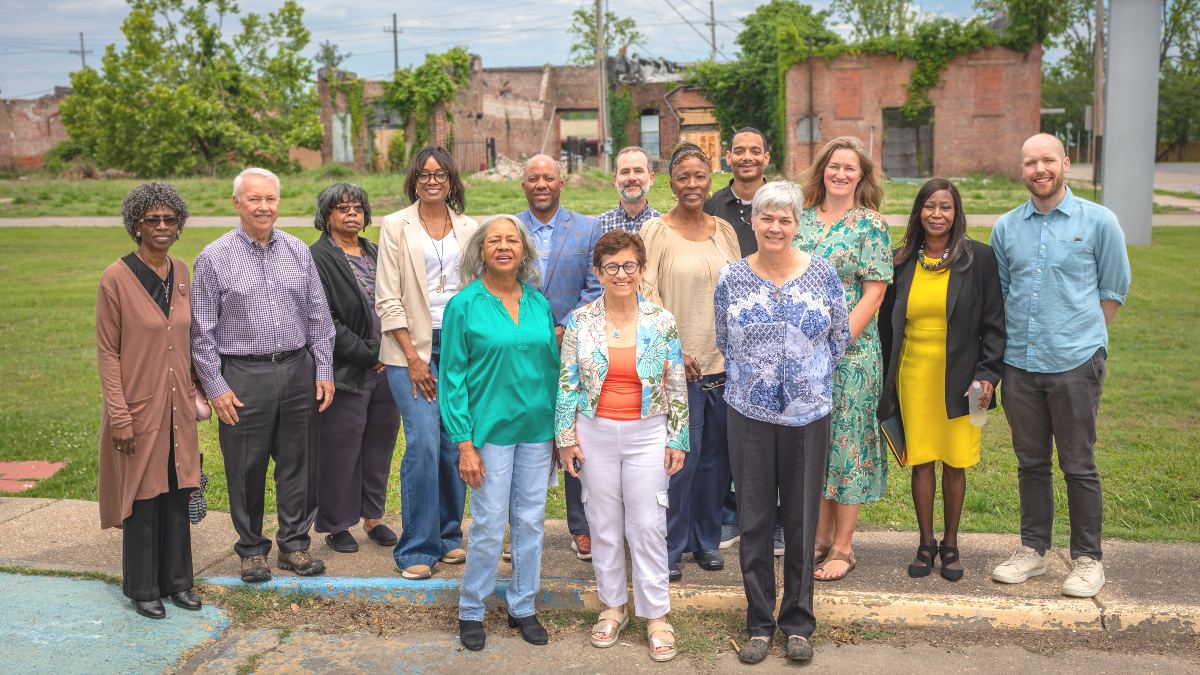
In brief: Six years of organizing have brought fiber to 97% of rural East Carroll Parish — but stopped at the edge of Lake Providence, the town where most of the parish’s Black population lives. A federal funding shift and a dispute between the state and a broadband provider have stalled the build. Local leaders are pursuing two tracks to finish the job, with community ownership in view.
When Cassandra Toston moved back home to East Carroll Parish, internet access made the difference. She’d grown up in Lake Providence and would have stayed — but at 29, needing to find work to support herself and her son, she left for Texas. Decades later, when her mother was diagnosed with dementia, Toston wanted to come home. Her remote job would have allowed it, but unreliable internet wouldn’t support it. So she brought her mother to Texas instead, where she passed in 2025. It was only when fiber arrived at her childhood home that Toston could finally move back.
Cassandra’s return was possible because of Delta Interfaith’s years-long fight to bring better broadband to East Carroll — a place where decades of population decline means that every story of someone returning with a full-time salary is a small economic event.
But Cassandra’s story is only half of what’s happening in East Carroll. The other half is still unfinished. A summit, held in place of a celebration, is where this post needs to start.
A celebration becomes a summit
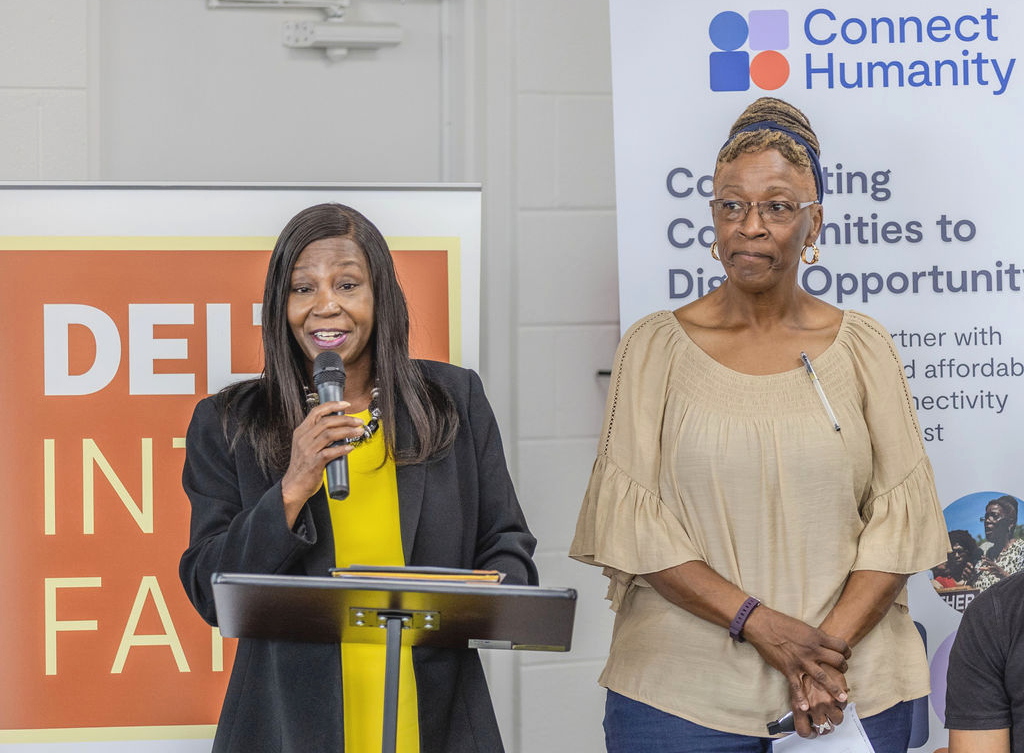
May 8 was supposed to be a ribbon cutting. Delta Interfaith — a church-based community organizing group — had spent months planning an event to mark fiber reaching Lake Providence, the main town in the parish. Jonathan Chambers, CEO at rural operator Conexon Connect, was due to come with a schedule in hand for building into neighborhoods. Veneeth Iyengar, head of Louisiana’s broadband office would be there too. But both pulled out because of a dispute over reimbursements on prior builds.
Delta Interfaith leaders absorbed the news. “My heart is bleeding,” said local organizer Wanda Manning on a planning call, just a week before the event. “We’ve given people hope for jobs and education, but right now I feel like a deceiver.”
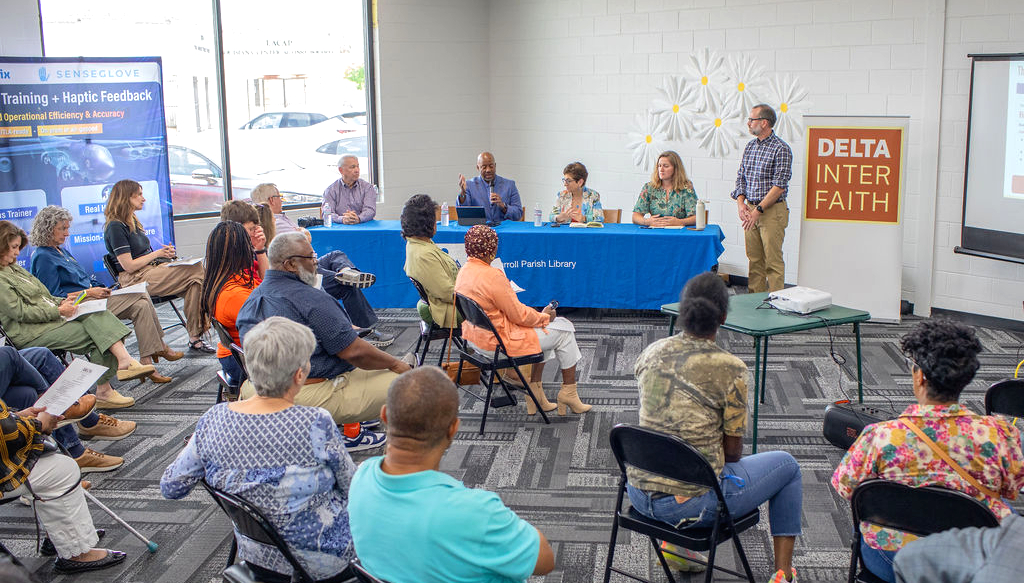
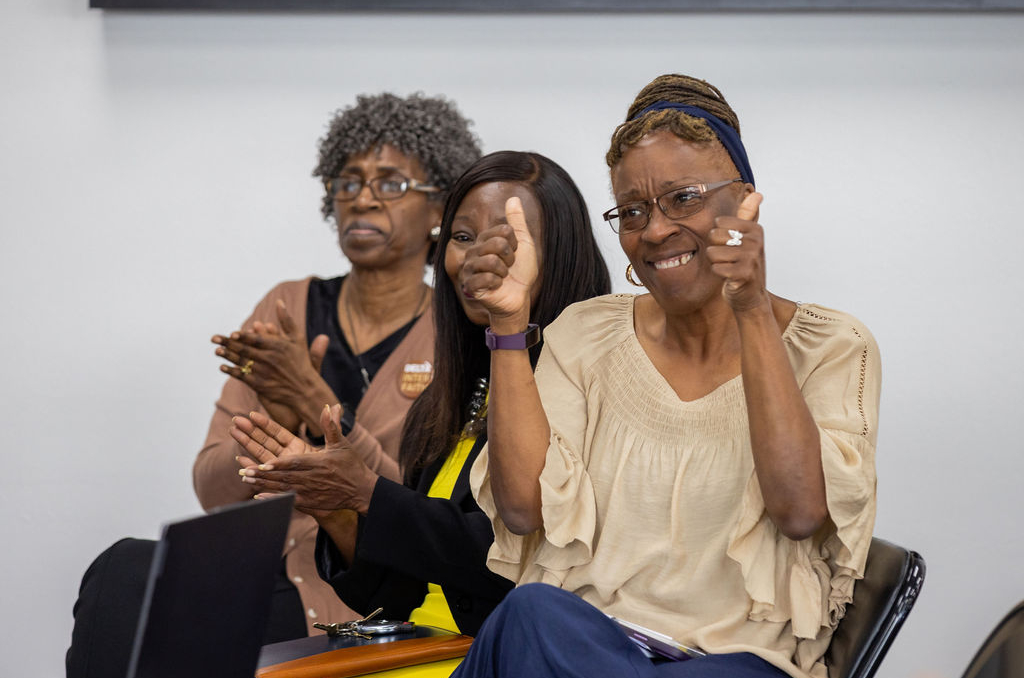
But when residents and partners gathered at the library a week later, the mood was not resignation but renewed commitment. The team turned the ribbon-cutting into a summit focused on how to finish the job — resilience that comes from six years of practice.
Six years of grit
East Carroll felt the full force of the digital divide during the pandemic, when children without reliable internet at home were locked out of remote learning. Ms. Manning was teaching elementary school at the time.
“I was angry because I thought kids just weren’t showing up,” she recalls. “But then I called one boy’s mother, who told me he couldn’t get on with their dial-up speeds.”
When Ms. Manning’s friend Linda Millikin called AT&T to ask about upgrades and was told to “be happy with what you have,” they knew they had to do something.
The pair helped convene a broadband taskforce through Delta Interfaith. They partnered with Starlink to get satellite equipment to K-12 families as a stopgap, then set about the longer fight of upgrading local broadband. Existing providers refused because, in their eyes, the community wasn’t a good return on investment.
When the state launched a rural broadband infrastructure program, East Carroll was a prime candidate. The state awarded $4 million to Conexon Connect to build in the Parish. But in an effort to block competition, Sparklight, the regional cable incumbent, filed an 11th-hour protest. So Delta Interfaith organized. They drove to Baton Rouge. They rallied residents. They built a national press campaign and a network of allies. The state rejected the protest and construction went ahead.
By 2025, the first residents in East Carroll’s rural areas were able to sign up for Conexon’s fiber service. That network is now 97% complete, with just 36 homes still to be connected. But in Lake Providence, a town of 1200+ homes where most of East Carroll’s Black population lives, it is a different story. Lake Providence is 2% complete.
The cost of unreliable internet
When the internet works, you never have to think about it. When it doesn’t, the most routine tasks can become a headache.
While Ms. Toston now has a solid home connection, her experience around the rest of East Carroll is different. She recently tried to renew her driver’s license at the parish DMV, but the system was down. When she came back a few days later it was down again. On the third try, she finally got her license but by this point she had missed the voter registration window and was unable to vote for the first time in decades.
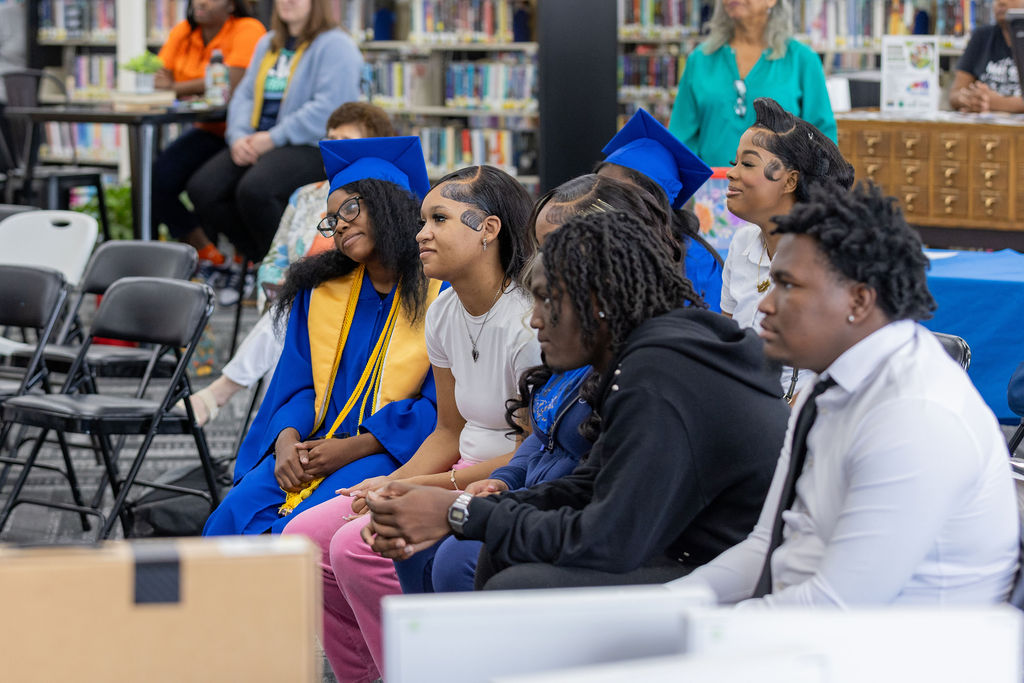
Meanwhile, at the summit, a video played of graduating seniors talking about what better connectivity would mean for their generation. One described waiting until after midnight to submit homework, because only then would her Wifi be fast enough to handle the upload. The fiber that would change this sits at the edge of town.
What’s standing in the way?
The rural fiber is built. The town isn’t. Two problems are keeping it that way.
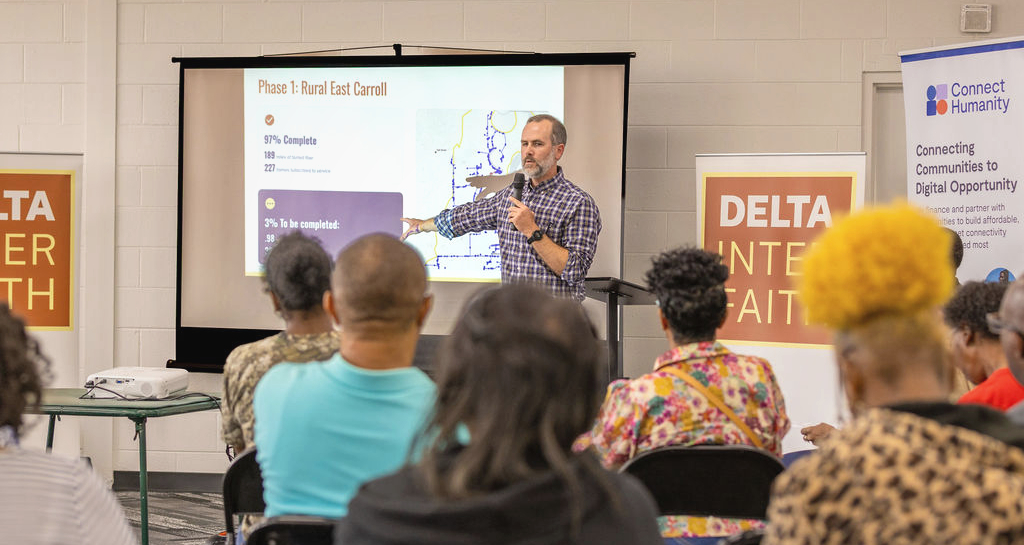
The first is federal. Phase two of the East Carroll build was supposed to be funded by the federal broadband infrastructure program known as BEAD. Louisiana initially awarded Conexon $6 million to bring fiber into town. After the Trump administration rewrote the program rules, Louisiana’s updated plan had cut the $6 million for Lake Providence. In its place, was $150,000 for SpaceX to provide Starlink to 204 locations — service already available if you can afford it. “That’s a zero dollar investment in local infrastructure,” Delta Interfaith organizer Nathanael Wills told the summit.
The second is the impasse between Conexon and the state broadband office, ConnectLA. Conexon says ConnectLA owes it reimbursements on completed work and won’t extend its network further until those are paid. ConnectLA says the outstanding work still needs to clear compliance checks before it can pay out. Until the dispute is resolved, any extension of fiber into town is stalled — along with the last 36 rural homes.
What happens next
The summit ended with some clear ways forward. Plan A is to support Conexon and the state to resolve their reimbursement dispute, and then to work with Conexon to finish the network it started, bringing fiber into the neighborhoods of Lake Providence.
But East Carroll is also working on a Plan B. Six years of organizing, a completed rural network, and high demand in town makes Lake Providence a more attractive prospect than 6 years ago. The broadband taskforce is opening conversations with alternative providers who can build out the town.
Underpinning both tracks is the possibility of local ownership with the community purchasing the network. Done right, this means whoever builds and operates the network, the community will no longer be at the whim of decisions made by others.
At the Summit, Mr. Wills also announced a “Digital Deacon” program to help ensure residents benefit from broadband. This program will train one member in each church to be a bridge between the community and the broadband taskforce. The community feedback the deacons will gather will shape the future network. The hope is these digital deacons will eventually be paid through BEAD non-deployment funds.
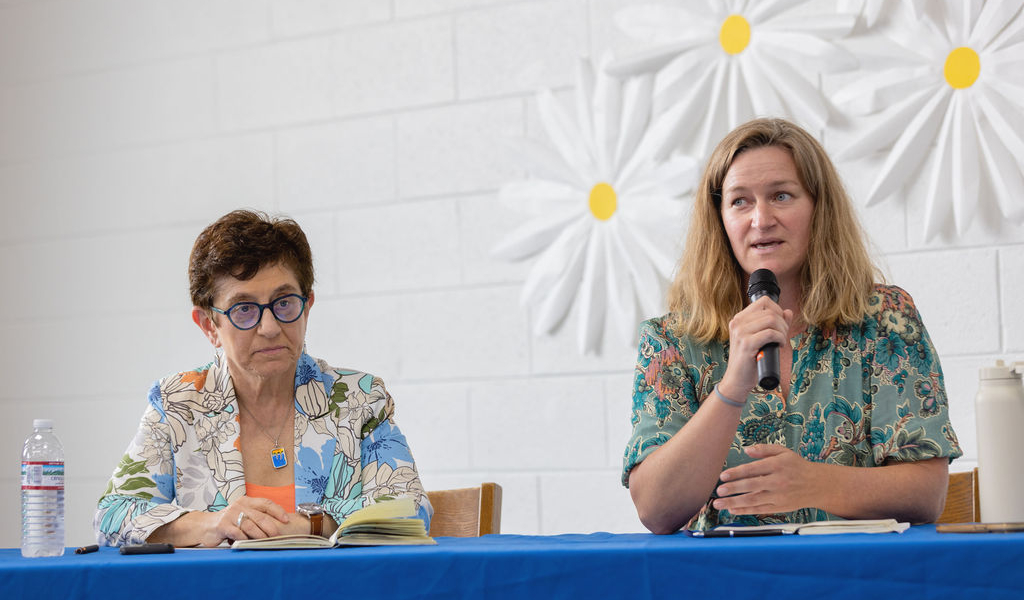
“Decisions are being made right now, and now is the time to let your voice be heard,” Connect Humanity’s Erica Mesker told the room. “Let’s build proposals to start asking for what everyone here wants and needs. Make sure this community is not a political pawn anymore.”
How funders can help
East Carroll is not the only place facing these challenges. It is one of hundreds of communities across the United States — in Appalachia, on the Texas border, on Tribal lands, across the Mississippi Delta, and in pockets of cities like Harlem, Oakland and Detroit — where communities are organized but need support to close digital gaps.
This is the work Connect Humanity exists to back. If you’re a funder looking for places where your support has high leverage, East Carroll is one of them.
Wanda Manning is still thinking about the parents of the kids she taught. “We were told to wait. We were told the providers already serving us were good enough. We were told to be patient while other places got connected first. We didn’t accept any of it.”
Six years on, she and her neighbors still haven’t accepted that. The fiber sits at the edge of town. Whether it crosses depends on who decides to help finish the job.
To learn more about Connect Humanity’s work with Delta Interfaith or to discuss funding opportunities, contact us info@connecthumanity.fund.
Keep in touch
To learn more about our work follow us on social media, subscribe to our newsletter, and write to us anytime at info@connecthumanity.fund.