
Meet the Experts Shaping the Guide for Sustainable Digital Adoption Funding
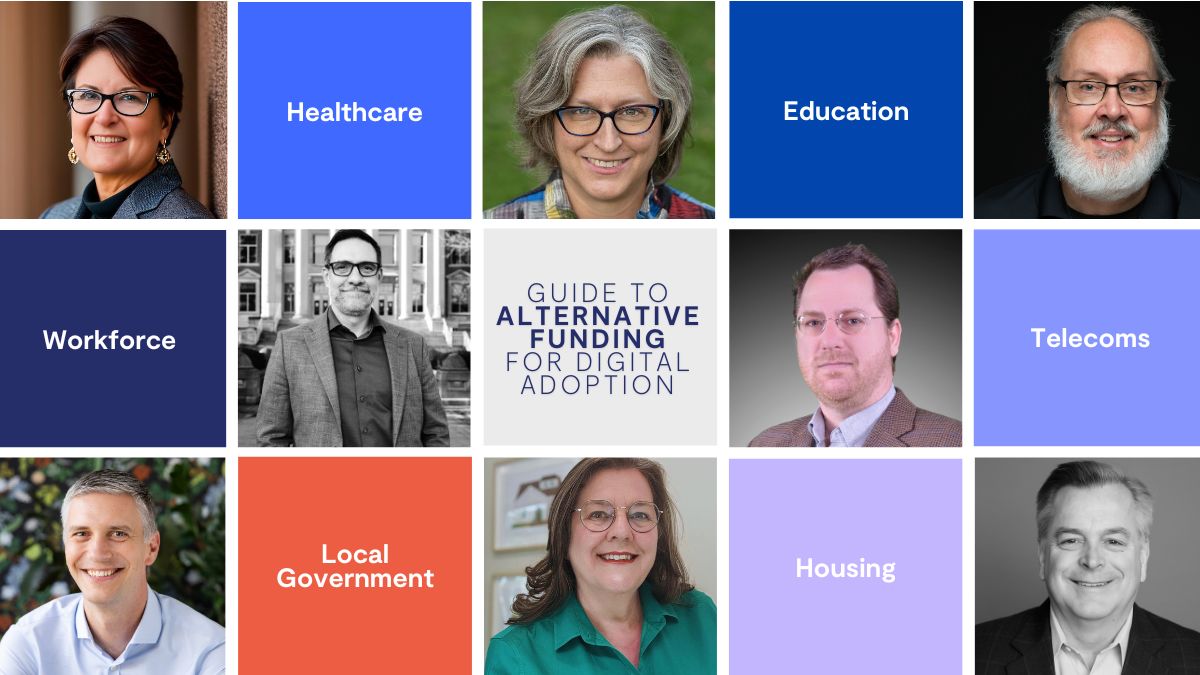
As funding for digital skills and adoption programs shrinks, grants alone won’t sustain this vital work. To meet the moment, we convened the Alternative Funding Working Group to identify ways to engage the systems and sectors that benefit financially from a connected society — and to turn those relationships into durable, co-funding partnerships.
Thanks to support from Mission Telecom Giving, the group is preparing a practitioner’s guide to explore how the digital inclusion sector can develop co-funding partnerships across a range of sectors to sustain digital adoption programs that deliver a multitude of economic and social benefits.
This project exists to answer one urgent question:
How can we fund digital adoption and skills programs in ways that last — by aligning with the value they create across our economy and communities?
In answering this question, the report will unpack co-funding opportunities across key social and economic sectors.
Today, we’re thrilled to introduce the chapter leads contributing their expertise:
Healthcare
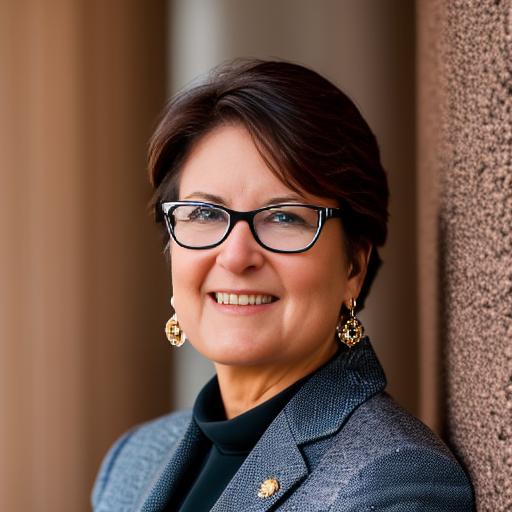
Dr. Amy Sheon is a nationally recognized digital health equity thought leader whose four-decade career spans government, academia, and community engagement. In 2011, she founded the Urban Health Initiative at Case Western Reserve University School of Medicine in Cleveland, Ohio. Years before the pandemic made telehealth essential, she adapted a local digital navigation model for healthcare by training community health workers. Appointed the National Digital Inclusion Alliance’s first Senior Fellow just prior to the pandemic, she expanded and disseminated a model for digital health navigation.
In 2021, recognizing an unprecedented opportunity to advance digital health equity, Amy left academia to launch Public Health Innovators, LLC. Through this consulting practice, she advises health systems, technology companies, and community organizations across the country. She holds doctoral and master’s degrees in public health from Johns Hopkins University and the University of Michigan, and a BA from Cornell University. Her widely cited 2021 paper, Digital Inclusion as a Social Determinant of Health, has been referenced more than 500 times, underscoring the growing integration of digital inclusion into healthcare strategy. Her second Health Affairs Policy Brief, focused on pathways from digital inclusion to health equity, will be published in January 2026.
“The healthcare sector offers vast potential for bringing digital inclusion work to scale and sustaining it. Digital inclusion practitioners are needed to ensure that best practices are used and to advocate for partnerships with community-based digital inclusion services.”
Housing
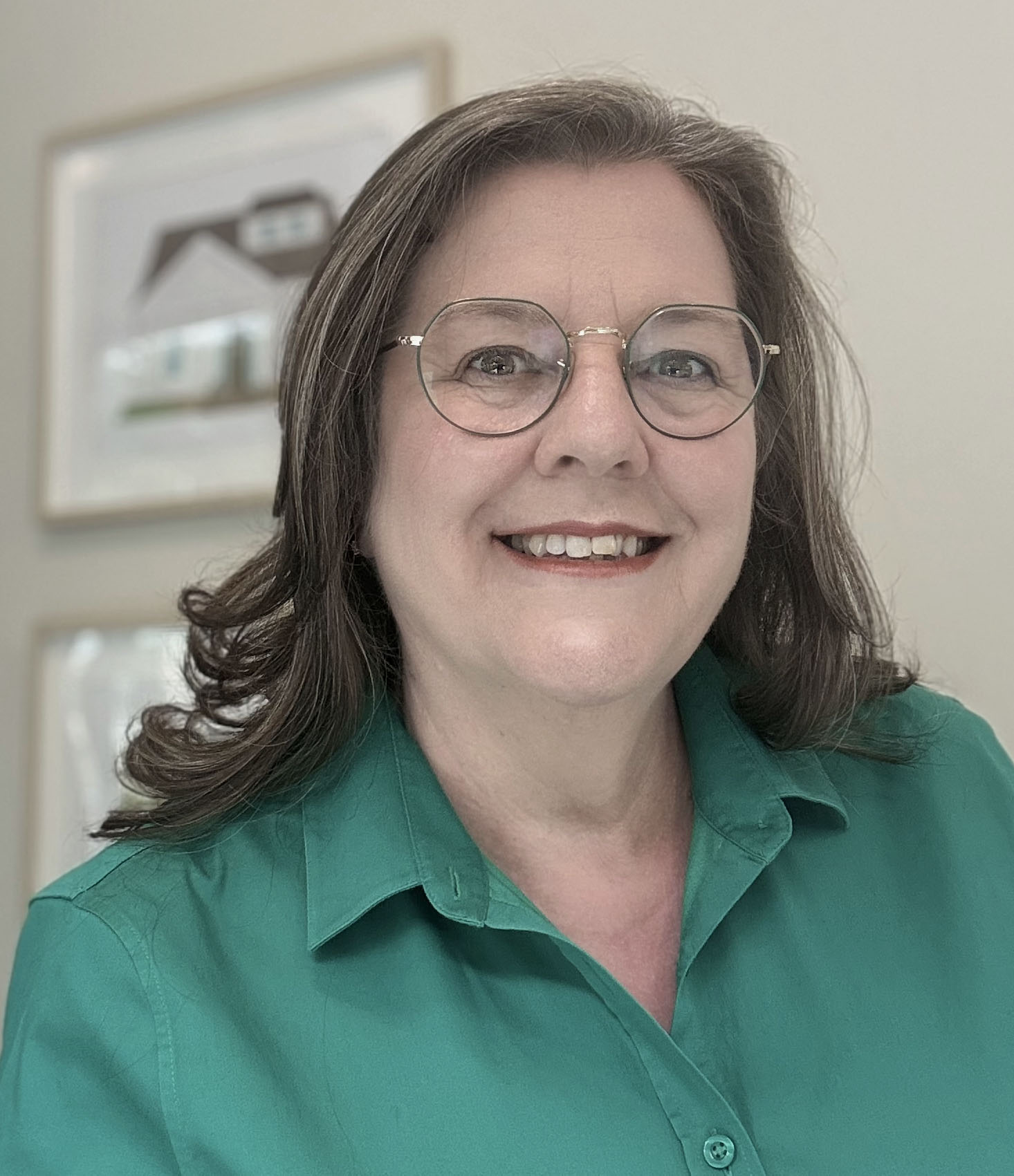
Catherine Crago Blanton is a humanities-trained technologist turned digital opportunity leader, blending technology, cultural insight, and policy expertise to bridge divides both global and local. Early in her career she contributed to major public–private research consortia restoring U.S. semiconductor competitiveness and advancing global collaborative R&D. She later served as a management consultant in the U.S., Europe, and Asia.
Most recently, Catherine led a decade-long initiative to connect every resident of Austin’s public housing to a platform of digital opportunity. There, she designed innovative public–private–philanthropic partnerships that delivered broadband, devices, and digital literacy, while supporting resident-led and community college–supported service models across education, transportation, emergency response, and health and wellness. She served as a 2020 Policy Fellow at the Johns Hopkins Economic Mobility Forum and is the National Digital Inclusion Alliance’s 2023 Charles Benton Digital Equity Champion. She has chaired and served on boards spanning technology festivals, chambers of commerce, and statewide leadership organizations, and currently serves on the Advisory Board of the University of Texas Human Dimensions of Organizations.
“U.S. Innovation capacity can only be achieved by engaging all of our talent in solving the biggest problems that face us. Housing is a critical platform of opportunity for our most vulnerable families, intersecting with almost every other facet of social and economic life. ‘Home is a place to access digital opportunity’ should be our mandate, to ensure that every family – every individual and every child – can be safe, well, and achieve and contribute to their full potential.”
Workforce

Dr. Roberto Gallardo is an engaged scholar who has spent more than 15 years supporting regional and rural development through technology-driven economic and workforce strategies. He has worked with communities across the United States and internationally to harness digital tools that expand opportunity and strengthen local economies.
“Digital literacy and workforce development are critical for any community in the 21st century”
Education

Dr. Jen Vanek is the Director of Digital Learning and Research at JSI Research & Training Institute, World Education. A researcher, teacher educator, and facilitator of professional learning, her work centers on digital literacy, online learning, and English language and literacy development. She leads national communities of practice that help adult education leaders improve and expand high-quality digital and distance learning.
Her research includes studies of technology use in adult education as part of the U.S. Department of Education/Institute of Education Sciences–funded CREATE Adult Skills Network; field testing emerging learning technologies; examining how adults build digital literacy skills; and identifying the program and policy conditions needed for equitable, technology-rich instruction. These insights inform her contribution to the Alt-Funding Guide chapter on alternative funding models for digital inclusion in education.
“Digital access and the skills to utilize it are essential for meaningful participation in society. Ensuring digital inclusion across K–12, postsecondary, and adult foundational education is vital for creating learning pathways that enable everyone to fully engage, adapt, and succeed. Achieving this vision requires sustainable, long-term funding for digital inclusion efforts; without stable investment, schools and programs cannot maintain the infrastructure, training, and support needed to keep pace with rapidly evolving technology and ensure opportunities for all learners.”
Local Government

Aaron Schill is the Director of Research & Programs for the National Digital Inclusion Alliance, where he oversees NDIA’s research, data initiatives, and support for local governments and digital inclusion coalitions. With a background in community research and city planning, Aaron has dedicated his career to empowering communities and marginalized groups through improved access to data, information, and technology. He is a two-time graduate of The Ohio State University, with a master’s degree in city and regional planning and a bachelor’s degree in sociology, and now calls Portland, Oregon home.
“The work of digital inclusion — connecting individuals and communities with affordable broadband access, devices, and digital skills, benefits all sectors of the economy. We must sustain and grow the impact of this new field by building new partnerships and funding streams in sectors that benefit from the value digital inclusion programs provide.”
Telecommunications

Brian Rathbone’s 35-year career in technology combined with his love of rural living made him poignantly aware of the lack of robust, affordable, reliable broadband internet access in rural areas. Rathbone has spent the past 15 years championing broadband access for all those who lack access to it, including spending four years at the North Carolina Broadband Office. In 2015, Brian co-founded Broadband Catalysts, which has helped federal, state, and local agencies with broadband-related planning, analysis, and mapping
“We have reached an inflection point where the need to assist non-adopters of internet enabled technologies in understanding the ways these tools can improve their lives and how to go about safely using them is at its greatest and the amount of funding available to support this work is at its lowest. Something must be done.”

Doug Dawson is the President and founder of CCG Consulting — a full-service telecom consulting firm with over 1,200 clients, founded in 1997. CCG offers a full range of telecom services including engineering, regulatory compliance, business planning, strategic planning and implementation services. CCG is actively helping clients navigate the currently confusing maze of state and federal grants. Doug has worked in the telecom industry since 1978 and has both a consulting and an operational background. Doug writes a daily blog called Pots and Pans by CCG found at https://potsandpansbyccg.com/.
“Many of my clients refer to me as a broadband missionary, because I have been working to improve broadband for communities of all sizes for the last 25 years.”

For the past 10 years Jeff served in leadership roles focused on broadband policy and the management of broadband infrastructure and digital equity programs. As a Senior Broadband Policy Advisor for the US Department of the Treasury he helped lead the development of the Capital Projects Fund, distributing $10 billion in ARPA funding to states and Tribes, leading technical assistance and stakeholder engagement. Prior to joining the Treasury he served as the Director of North Carolina’s Broadband Infrastructure Office where he worked closely with the state’s legislature to create and implement a rural broadband grant program, led negotiations for the appropriation of $750 million in ARPA funding for broadband infrastructure grant programs, and developed the nation’s first state-led digital equity initiative.
“The lack of broadband access and digital literacy represent significant issues facing my community, state and country, motivating my passion to help close the digital divide through sound public policy and impactful programs.”
Each chapter will explore how digital inclusion generates measurable value within the sector — from reducing missed medical appointments and improving educational outcomes to strengthening municipal administration and expanding workforce participation — and will suggest ways to create cost-sharing models that fund the programs making it possible.
Together, we hope these insights will set the stage for pilot projects and a more sustainable funding basis for the digital equity sector.
What’s Next
The Alternative Funding Guide is slated for release in early 2026, alongside case studies, partnership models, and practical tools to help local leaders pursue cost-sharing, reinvestment, and earned-revenue strategies.
Want to get involved?
If you or your organization can contribute insights, co-lead pilots, or share data and case examples, we’d love to hear from you. Email: samantha@connecthumanity.fund.
Keep in touch
To learn more about our work follow us on social media, subscribe to our newsletter, and write to us anytime at info@connecthumanity.fund.