
To expand broadband, rural communities need clarity on government funding

Rural communities across America have been working flat out to expand fast, reliable internet access, but to succeed, they urgently need clarity about the resources available to move forward.
In recent weeks:
- The Office of Management and Budget (OMB) issued a memo providing assurance for Broadband Equity Access and Deployment (BEAD) funding.
- The OMB then issued a separate memo pausing all federal grants and loans, which would have hit BEAD and the Digital Equity Act (DEA).
- A Federal judge temporarily blocked the pause announced in the OMB memo.
- Then, three days after issuing it, the White House rescinded the memo.
BEAD is essential to extending high-speed internet into the hands of left-behind Americans, particularly in rural areas where the economics of broadband mean many won’t get high-speed broadband without incentives to encourage deployment.
Meanwhile, DEA funding will ensure the support is in place to ensure everyone can use broadband services effectively, driving up adoption rates and providing the customer base needed to sustain rural networks. Together, these twin programs are critical for closing rural America’s digital divide.
Broadband expansion is a bipartisan issue — one that the vast majority of Americans stand behind. These programs disproportionately benefit Republican-majority counties, with analysis from Ready.Net showing 92% of the top 1,000 counties impacted by BEAD voted Republican.
The last administration was criticized for moving too slowly on broadband expansion. The Trump administration has the opportunity now to accelerate these efforts, going further and faster in laying the digital foundations of opportunity for all Americans.
Below, we present excerpts from statements we’ve received from community partners looking for action to move these programs forward without delay.

As someone who managed local governments in rural Nebraska, Oregon, Wisconsin, and Georgia, I can say with complete certainty one of rural America’s greatest challenges is a lack of access to technology, particularly high speed broadband Internet. This impedes rural communities in communication, commerce, economic development, population stability, and education. The Rural Electrification Act of 1936 brought the miracle and convenience of electricity to all corners of America enabling everyone access to electricity and the American dream. Today, the “new electricity” is high speed Internet service. It is time for another national effort enabling Americans, particularly those residing in rural areas, to fully realize participation in this great nation’s economy and pursuit of prosperity for themselves and future generations.
Robert J. Sivick
County Administrator, Whitfield County, Georgia
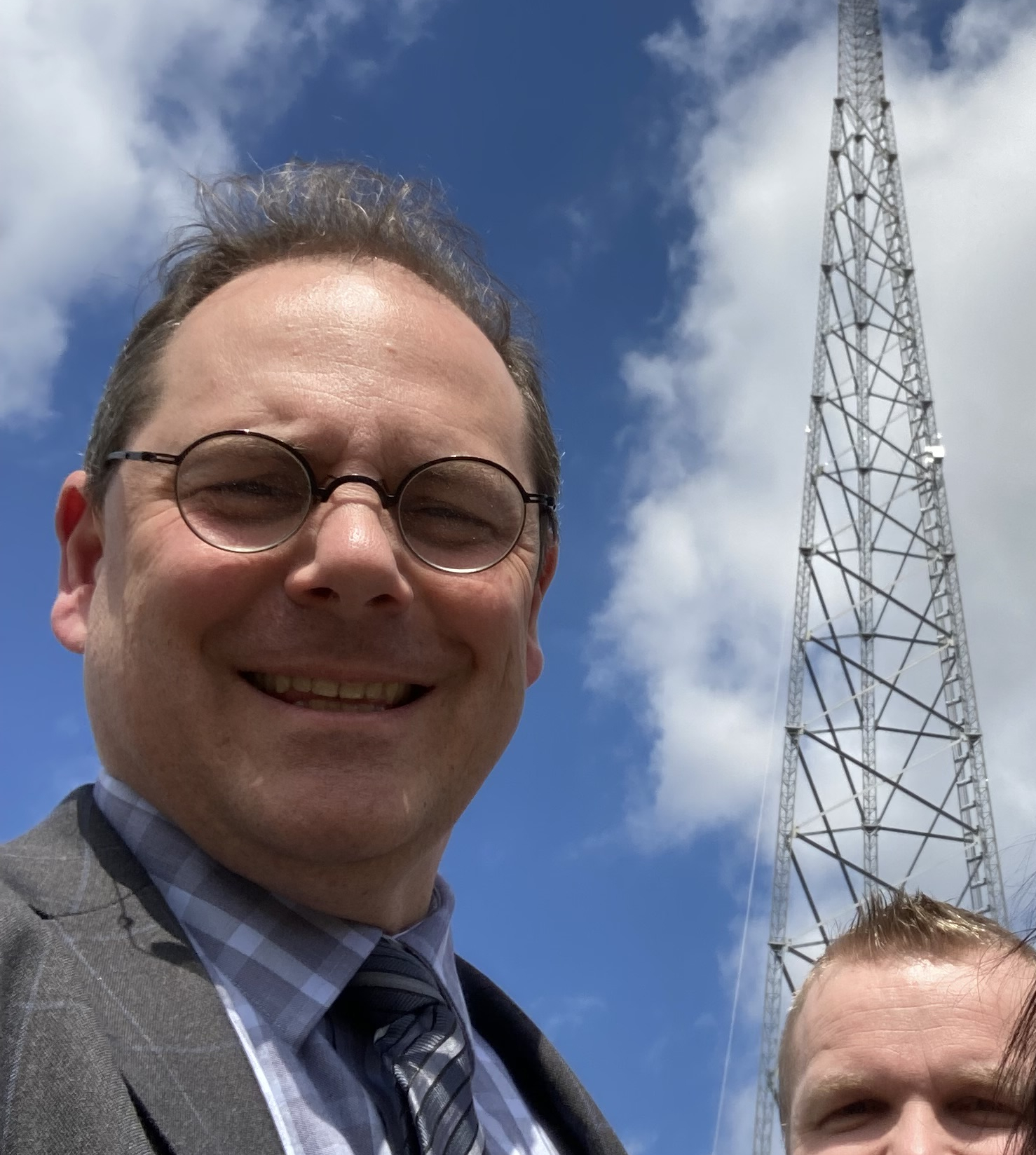
I am a Republican County Commissioner beginning my third term in office and have been working on Broadband expansion in our county for nearly 7 years. I want to take this opportunity to plead with our new administration for continuation and rapid deployment of resources for broadband infrastructure expansion in unserved and underserved areas in Ashtabula County and throughout the country.
Reliable and affordable broadband infrastructure is critical for communities to compete. Our community continues to lose population in part because of areas lacking access to broadband to operate a small business, work remotely from home, complete educational requirements for themselves or their children, access telehealth services, participate in a modern economy and utilize the many benefits that require online applications, or simply keep in contact with friends or loved ones. This is a non-partisan issue affecting all the residents of this great country. Please help expedite this process and remove any red tape or barriers that are keeping local governments from deploying these resources in the manner they know will best serve their communities.
J.P. Ducro
County Commissioner, Ashtabula County, Ohio

Any country’s administration should prioritize broadband access. Ensuring that citizens can receive information from the administration and access necessary resources and communications is vital to national security, health and wellbeing, and continuity of operations.
Rural areas of the country are not profitable for internet service providers to build broadband infrastructure. In many areas, the only means of communication is a landline telephone, using crumbling infrastructure that will not be repaired or upgraded. Much like rural electrification, federal assistance is needed to reach our most rural and vital addresses. These addresses are vital because they often are where the majority of our food is grown, and adequate food production should be a top priority for a self-sustaining country.
Cheryl DeBerry
Broadband and Energy Manager, Garrett County, Maryland

Robbinsville is a small, disadvantaged town, and we must leverage every opportunity to improve the quality of life for our residents. The lack of reliable, high-speed internet access is a significant barrier to the economic and social development of our town. Over the years, much of the industry has left, and many of our graduating students are forced to move away due to limited job opportunities. Expanding broadband access would go a long way in connecting Robbinsville to the world and providing new opportunities for both residents and businesses.
Currently, we face a digital divide—many individuals in our town cannot afford devices, nor do they possess the skills to use them effectively. As the world continues to progress, we are being left behind. Broadband infrastructure would not only address this issue, but it would also open doors for remote work opportunities and help local businesses that struggle with unreliable internet. Many businesses here have to purchase multiple types of internet service as backups, hoping one will remain functional when the other fails.
Kevin Brown
Five Point Center, Graham County, North Carolina

The BEAD (Broadband Equity, Access, and Deployment) and DEA (Digital Equity Act) investments are crucial for the growth and sustainability of rural communities, particularly those that are economically disadvantaged. For rural areas without significant industry, the impact of reliable internet access extends beyond just connectivity; it’s essential for economic development. Tourism-dependent communities benefit from improved online visibility, enabling them to reach wider markets and attract more visitors. Digital tools can help small businesses in these areas thrive by facilitating e-commerce, remote work opportunities, and better access to resources, training, and markets. Furthermore, enhanced broadband infrastructure opens the door for telemedicine, distance learning, and access to government services, all of which are vital for improving quality of life and health outcomes in remote regions.
Without continued investment in BEAD and DEA, these communities could face stagnation or even decline. The loss of such funding would leave many areas without the necessary infrastructure to compete in the modern economy. These regions would struggle to retain residents, especially younger populations, who might seek opportunities elsewhere due to a lack of connectivity and access to digital opportunities.
Michelle Shiplet
Executive Director, Graham Revitalization Economic Action Team (G.R.E.A.T), North Carolina
Add your voice
Want to share how changes to broadband funding would impact your community? Complete this form or write to us at press@connecthumanity.fund.
Keep in touch
To learn more about our work follow us on social media, subscribe to our newsletter, and write to us anytime at info@connecthumanity.fund.