
Why the City of Williston is All-In on Community Broadband
IT Director Aaron Mills shares the journey towards building municipal fiber
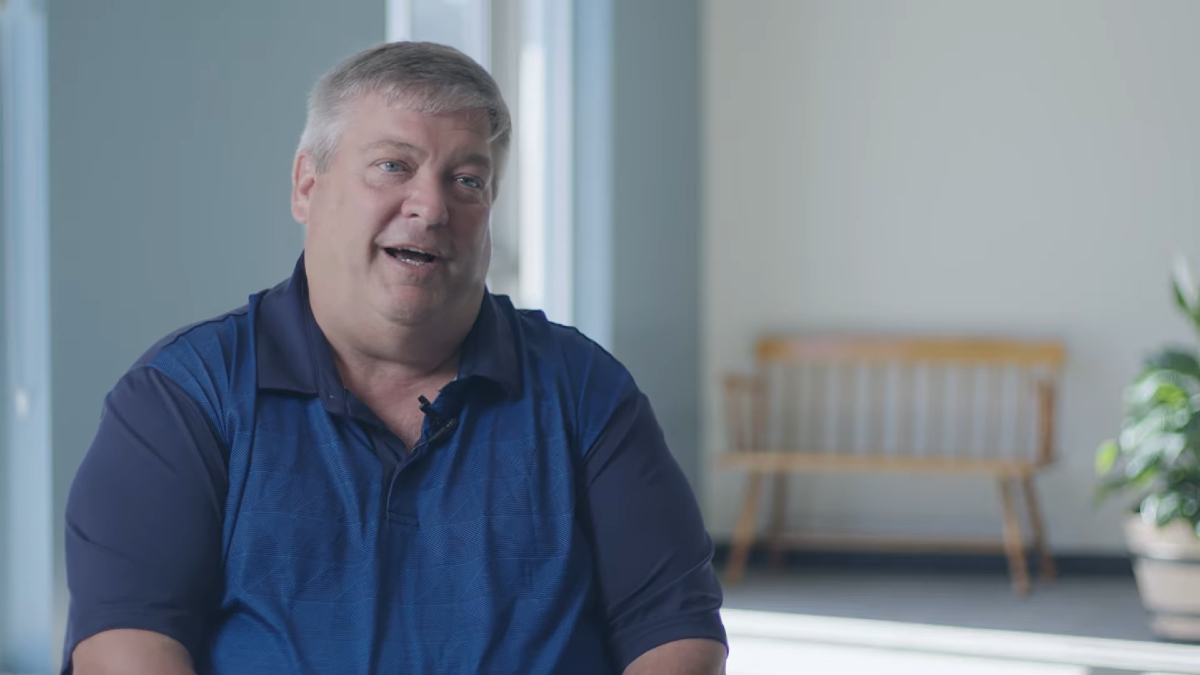
Photo from Video by Internet Society
Williston, a rural city of around 3,000 residents in Levy County, Florida, is known as a gateway to the Nature Coast. With a rich history in farming, a vibrant manufacturing sector, and a strong sense of community, Williston is a great place to live and work—but has lacked one crucial element: reliable high-speed internet. That’s changing as city leaders advance plans for Williston Fiber, a new high-speed broadband network.
In 2023, Connect Humanity awarded the city a grant to work with Lit Communities on a study to explore options for improving broadband. We caught up with city IT Director Aaron Mills to find out where that’s led and hear why he’s excited for the city’s future.
Take us back to the beginning — why was broadband on the town’s agenda?
In Williston, we just didn’t have reliable internet. Connectivity still varies greatly. Many residents are still on slow, unreliable DSL. While some have fiber, the price point is ridiculous. Williston needs high-speed internet like everywhere else does, so we started working to provide a better, faster, more reliable option for our residents and businesses, at an affordable rate.
And you saw that the city needed to play a leading role?
Absolutely. We’d have residents call up their internet service provider and be told there’s a three week wait before they’ll send a technician. The city can do better. Williston already manages electric, water, gas, and sewer — so why not internet as well?
How did you get started?
We didn’t have funding to build a full fiber network for the entire city, so we piloted a wireless solution with a small grant from the Internet Society and Truist which provided our back-end fiber connection, management software, and equipment. We set up our access points on the town’s main water tower that was able to serve approximately 250 customers. That got our foot in the door and helped prove the concept and the business model. We called it COW-Link.
How did the service make a difference for folks?
We have had several businesses that have greatly improved their internet functionality and production since switching to COW-Link—now a majority of their workload is cloud-based.
What technical challenges did you face?
Our first big challenge was with the wireless technology. We struggled to get a reliable Line of Sight (LOS) to all the customers we wanted to reach and so were unable to serve as many people as we hoped.
How did you tackle the line of sight issue?
We ran fiber to additional access points. However, the cost of adding switches and power supplies etc was about the same as running fiber to the building (FTTB). Plus, each additional component was a potential failure point in the network. That’s why we opted to move forward with a fiber solution.
Congratulations on the vote to move forward on Williston Fiber. What’s next?
We need to get a contract negotiated and have the city council sign it. Once that’s in place, we’ll be working with contractors to design and install the network. We want to get this done as soon as possible, but frustratingly these things tend to move at the speed of smell.
Was it hard to persuade city leaders to go from the pilot project to a fully fledged municipal network?
Yes, to say the least. We had — and still have — some objectors. It was a major hurdle to convince the council to take on the debt required. After four years of pushing, we only now have a majority vote to move forward.
What argument did you use to make the case for investment and get past that hurdle?
The City of Williston is in a unique position to provide internet services because we own our Electric Utility and infrastructure. This allows us to use the plan to “follow the power” in distributing the internet to our residents and businesses. With pending state regulations that will affect our ability to use electric funds, another enterprise will help to offset that issue. We also foresee the mandating of SCADA and AMI, and the fiber optic network in our infrastructure, would also benefit that implementation by reducing communication costs for those projects.
Once built, what will Williston Fiber mean to the community?
Without fast internet you can’t learn and you can’t work from home. You can’t build a business. Once completed, every resident and business owner will have a better, faster, reliable, internet option. We’re talking gigabit speeds for $49.99 a month. Williston Fiber will mean more economic growth and new opportunities, driving our community forward.
What advice would you give to those just starting out on their broadband journeys?
Plan for twice the capacity that you think you need, and learn from other communities. We got invaluable advice and support from our neighboring city Ocala. So don’t be afraid to reach out and learn from others’ experiences. Ask them what works and why.
Thanks for sharing your hard-earned insights Aaron.
Of course, I’m always happy to help others looking to learn about community broadband.
Learn more about Williston’s broadband journey in this video from the Internet Society.
Keep in touch
To learn more about our work follow us on social media, subscribe to our newsletter, and write to us anytime at info@connecthumanity.fund.